In today’s fast-paced world, many young professionals find themselves juggling hectic schedules (myself included), leaving little time for proper nutrition. It was this very scenario that lead me to to find functional medicine and opened my eyes to the fact that neglecting your diet can have long-term consequences for your health and well-being.
Why does increasing your vegetable intake even matter? Vegetables are nutritional powerhouses packed with vitamins, minerals, fiber, and phytonutrients that support various aspects of your health. These nutrients are ESSENTIAL for proper function of your immune system, they enhance and promote healthy digestion and microbiome, improve energy levels, and even lower the risk of chronic diseases like heart disease and diabetes. Research shows that an increase in vegetable intake has a reverse effect on overall all cause morbidity and mortality. Put simply: the more vegetables you eat, the less likely you are to die of anything! The majority of the people in the US do not eat enough vegetables and incorporating more into your diet is crucial for maintaining and achieving optimal health.

In functional medicine, we recommend 6-9 cups of raw vegetables a day and in a perfect world they are all organic (google the “dirty dozen and the clean fifty” to find where organic matters most). That may seem like a lot, but once you roast, steam, boil etc. your veggies it comes out to much fewer servings. Now, this may also seem like an unreachable goal if you are starting out with little to no veggies in your current diet. Not to worry. Small changes are the best changes. Maybe it means just add a serving of broccoli per day. That is already a huge improvement.
Now you are probably wondering: “how and where do you increase vegetables in the diet?” That is where I come in. I’m here to share some practical tips on how to increase vegetables in your diet, even when you’re a busy, on-the-go individual.
Plan Ahead/Batch Cooking
The number 1 thing you can do for yourself and ensure you make healthy food choices, especially if you are extremely busy, is meal planning and food prepping. Take some time each week to plan your meals and, I know, you are saying to yourself “girlfriend, I do NOT have time for this shit”. You are oh, so wrong. If you prep your meals, you will spend less time planning, cooking, and worrying about food then if you were to prep and cook daily.
Pick 1-2 times a week to do meal prep. I like Sundays and sometimes Wednesdays. Then, find 1-2 breakfast, lunch and dinner options. Keep in mind that these meals should have veggies, have a variety of colors, are simple, and contain foods you like because you are going to be eating them a couple times a week. Spend 2-3 hours on Sunday and maybe 1-2 hours on Wednesday cooking food. Roast a big plate of veggies, spiral the zucchini and sweet potatoes for noodle replacements, chop up all the veggies you like on your salads, roast your chicken breast etc. You will reduce your decision making capacity (this is a thing, look it up!) and have healthy meals ready for you when you are hungry.
Embrace Frozen Vegetables
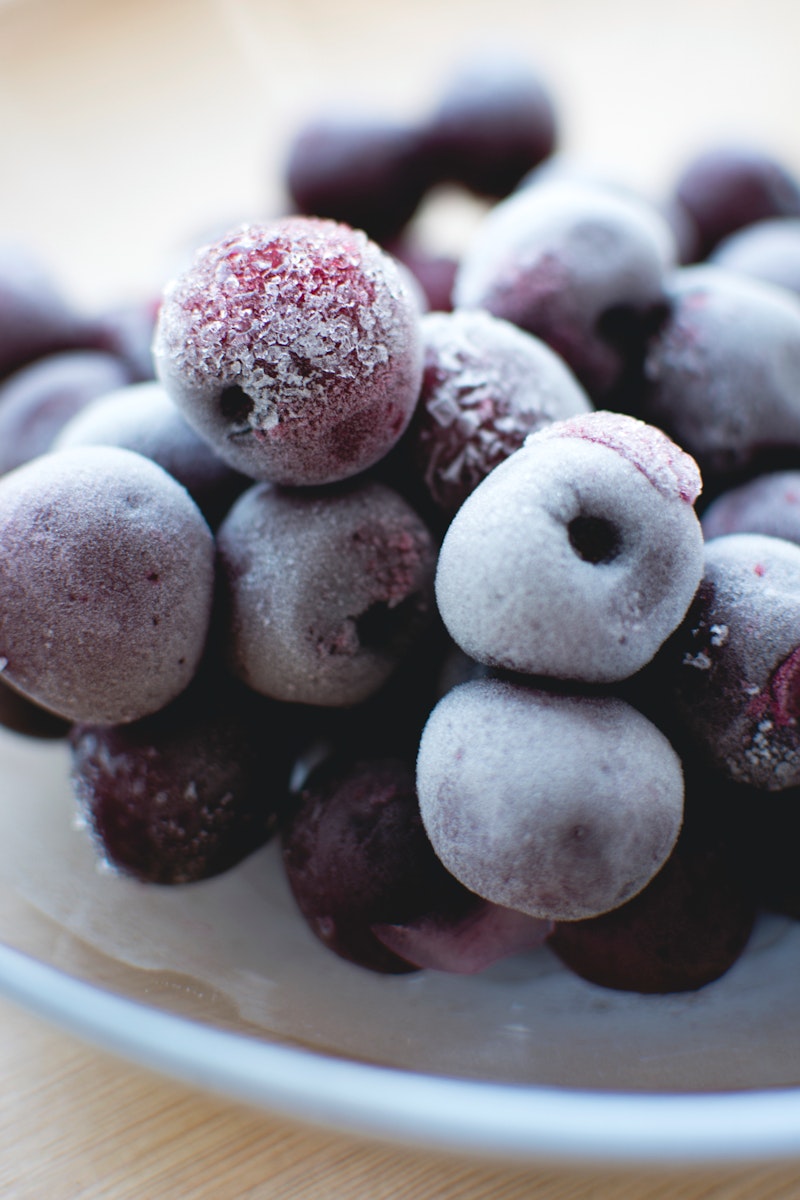
Frozen vegetables are a busy professional’s best friend especially if you are on a budget. Frozen vegetables are just as nutritious as fresh vegetables (and sometimes even more so because they are harvested and frozen at peak of ripeness) and have an obvious longer shelf life. They are also typically cheaper than their fresh counterparts. You can easily add them to stir-fries, soups, or oven-roasted dishes for a quick and convenient way to increase your vegetable intake.
Incorporate Vegetables into Breakfast
Smoothies– Start your day with a nutrient-packed smoothie. Blend fresh or frozen leafy greens like spinach or kale with frozen cauliflower (trust me- cauliflower makes it smooth and creamy), celery for some extra fiber, half an avocado for extra creaminess and a healthy fat source, add some blueberries for anti-oxidants, and a source of protein like full fat greek yogurt or protein powder. This is a convenient way to get servings of vegetables early in the day and can hide a lot of healthy veggies in a drink that is sweet and yummy.
You can even meal prep this. Divide all your smoothie goodies into 5 separate servings, throw it into a ziplock bag all together and then into the freezer. Pull a single bag out of the freezer, put into the blender with some water, coconut water or favorite milk, and off you go. Note: always have a healthy protein and fat source to keep you full longer and limit fruits to avoid spikes in blood sugar
Eggs with Veggies– Take some on the vegetables that you chopped or roasted on Sunday, throw them in a frying pan with some avocado oil. Once finished cooking, drop 3-4 eggs in and cook them until preferred doneness. Vuela! My favorite veggies with eggs is roast root veggies (potatoes, sweet potatoes, beets, carrots), chopped spinach or kale, onions, bell peppers and mushrooms.
Snack Wisely
Replace unhealthy snacks with vegetable-based options. Keep sliced carrots, bell peppers, cucumbers, or cherry tomatoes in portioned containers in your fridge that you chopped up on Sunday. Pair them with hummus or a healthy dip for a satisfying and nutritious snack.
Mason Jar Salads
These are my go-to lunches. There is a limitless number of mason jar salad recipes on the internet. Start looking and find one that sounds good to you. Layer your salad ingredients with the dressing on the bottom and put the greens on the top to keep them fresh until you’re ready to eat. Chop and prepare all the ingredient on Sunday (catching a theme here?), and divide into mason jars. This portable option makes it easy to grab a salad packed with fresh vegetables while you are running out the door in the morning. Shake the jar when you are ready to consume, and transfer to a bowl or plate or eat it right out of the jar.

Soup It Up
Soups are an excellent way to incorporate a variety of vegetables into your diet. I really like to cook soups in a crock pot. I prepare it in the morning, turn on the crock pot, leave it all day, and have dinner when I get home. Sometimes I don’t have time in the morning and that’s when a pressure cooker or instant pot is really handy. Again, lots of recipes on the internet. Make a large batch of vegetable soup and then portion out extras into food storage containers and eat for lunch or dinner the following days.
I really like soups for introducing more veggies because they are typically slow cooked which makes them easier to digest. Adding extra vegetables (and therefore fiber) to the diet can make you constipated and bloated if you don’t have all the right bacteria to break down the veggie fiber. Not to worry, you body will adapt and be very happy with all the fiber in the long run but it may take sometime to get there. That’s when veggie soups make a great option.
Experiment With Veggie-Based Swaps
Replace some of the starches in your meals with vegetable alternatives. For example, spiralized zucchini or sweet potato can replace pasta or noodles. If you can’t give up the noodles then add steamed or roasted vegetables to the sauce. You can even blend the extra veggies into the sauce so you don’t even taste them. Cauliflower can be steamed, drained and then mashed as a lower-carb alternative to potatoes. Try using broccoli or cauliflower rice next time a recipe calls for rice. These days you can find both varieties already “riced” in the frozen food section.
Explore New Recipes
Challenge yourself to try new vegetable-based recipes. Explore different cuisines and cooking methods to keep your meals exciting and diverse. This will make eating vegetables more enjoyable. And I know, there are some of you out there that just straight up don’t like vegetables, I get it. I would challenge you though to try some vegetables in different forms. Try them air fried, roasted, steamed and covered in pesto, whatever it may be. If that just doesn’t do it for you then find a handful of vegetables that you tolerate and use them in multiple different varieties. Be patient. You will find that as you increase more vegetables into your diet and you will grow to like a greater variety overtime and even crave them.
As a functional medicine provider, I cannot stress enough the importance of incorporating vegetables into your daily diet. These nutrient-rich foods are essential for your overall health and well-being, especially when you lead a busy life. By planning ahead, using convenient options like frozen vegetables, and experimenting with new recipes, you can increase your vegetable intake and reap the numerous health benefits they offer. Remember, your health is an investment, and making room for vegetables in your diet is one of the best choices you can make for your long-term well-being.
 Debunk The Func