
When a patient comes to me with any health complaints, I always address the gut, no matter what. Part of investigating gut health involves addressing a leaky gut. In recent years there has been a lot more attention regarding leaky gut or also known as increased intestinal permeability. But, what does this mean, exactly? In this blog, I will shed light on what leaky gut is, the risk it poses to our health, and how we can work towards healing it through a holistic approach.

What is Leaky Gut?
The gastrointestinal tract, or the gut, is a complex system responsible for digestion, nutrient absorption, immune defense, excretion, and elimination of waste. The lining of the gut is a literal barrier that separates the internal environment of our bodies from the outside world, including the food we eat and the toxins we encounter. Leaky gut, scientifically known as increased intestinal permeability, occurs when this barrier becomes compromised.
What is the Mechanism?
Under normal circumstances, the gut lining is composed of tightly packed cells held together by protein structures called tight junctions. These junctions act like gate keepers; they control what crosses the GI lining and enters the bloodstream. They allow certain nutrients to pass while keeping harmful substances, such as bacteria and large food particles in the lumen of the GI tract. When the lining of the gut becomes inflamed, typically due to the environment that it is exposed to, it becomes “leaky”. The tight junctions that are normally tightly bound together become loose and puffy, allowing unwanted molecules, food particles, bacteria, toxin etc. to pass through the intestinal barrier and enter the bloodstream.
Why Does This Matter?
Leaky gut may not seem like a major concern at first, but it can have far-reaching consequences for your overall health. The influx of foreign substances into the bloodstream will trigger an inflammatory response.
Inflammation is a defense mechanism brought on by your immune system and a totally normal and beneficial process. You cut yourself, an acute inflammatory response occurs to prevent infection and promote healing. When you lift weights you create a temporary inflammatory response in the muscles and that over time leads to muscle growth and gains. Inflammation is a helpful and very necessary process for healthy function.
However, if a constant irritant of the immune system goes on unchecked, it will lead to a chronic state of inflammation. And this is where we run into problems. There are serious consequences from the fallout and how it shows up in your body is going to be unique to you.
It can show up as GI symptoms: constipation, diarrhea, and bloating, however, it also can show up in ANY system across the entire body. It can show up as depression and anxiety, migraines, hormone dysfunction, cardiovascular disease, acne, eczema, autoimmunity, chronic pain, allergies, food sensitivities etc. The signs and symptoms are endless.
How to Heal a Leaky Gut:
The good news is that a leaky gut can be addressed through a multifaceted approach rooted in functional medicine principles. Here are some steps to consider:

Dietary Changes: Start by eliminating potential triggering foods. These can look different for everyone but the most common insulting foods are processed foods, gluten and other grains, dairy, sugar, and alcohol. Focus on a diet rich in whole foods, such as starchy and non-starchy vegetables, berries, lean proteins, collagen rich bone broth, and healthy fats.
Address Infections in the Mouth and Gut: Eat more probiotic rich fermented foods to inoculate the gut with good bacteria. Eat prebiotic rich vegetables to feed those good bacteria so that they continue to out compete the bad bacteria. It’s worth working with a FM provider to address the gut microbiome and specific infections. Work with a biological dentist to address infections in the mouth (remember- it’s part of the digestive tract too!).
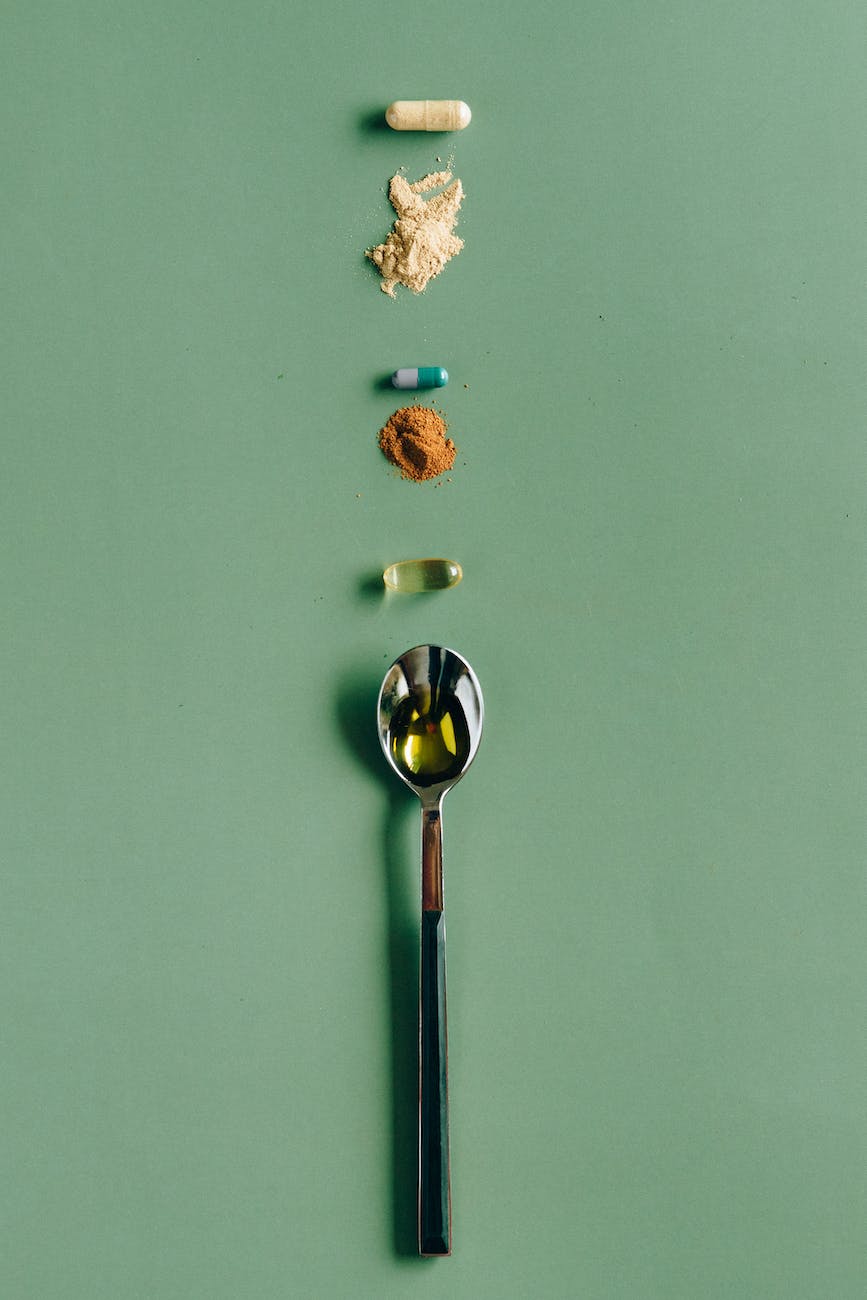
Supplements: Glutamine is the fuel that the enterocytes of the gut use to function (the cells that line the gut and act as gate keepers). Other herbs that are really helpful for healing the gut include slippery elm, marshmallow, Aloe Vera, licorice extract, quercetin, and curcumin as just a few examples. Talk to your FM provider for guidance and more information regarding supplementation.
Reduce or eliminate toxin exposure: eliminate all plastic food storage, exchange plastic water bottles for stainless steel, cook with non-toxic pots and pans, get a good water filter, eliminate alcohol, get an air filter for your home and office, change household cleaners for non-toxic substitutes, and replace toxic skin products.

Stress Management: Chronic stress can exacerbate leaky gut. Stress also promotes the growth of bad bacteria in the gut further exacerbating the insult. Prioritize stress reduction techniques such as meditation, yoga, or deep breathing exercises.
Optimize Sleep: Quality sleep is essential for overall health and recovery and can aid in gut repair.
Manage Medications: Some medications, like non-steroidal anti-inflammatory drugs (NSAIDs) and antibiotics, can contribute to gut permeability. Discuss alternatives with your FM provider.
Healing a leaky gut is a journey that requires patience and commitment. By seeking guidance from a functional medicine provider and addressing the root causes, making dietary, and lifestyle changes you can take significant steps towards restoring the integrity of your gut lining and improving your overall health. Remember, your gut health is intricately connected to your well-being, so investing in it is an investment in your future vitality and resilience.
If this resonates with you and you would like to get started on your own journey of addressing your gut health, please reach out to debunkthefunc@gmail.com.
 Debunk The Func