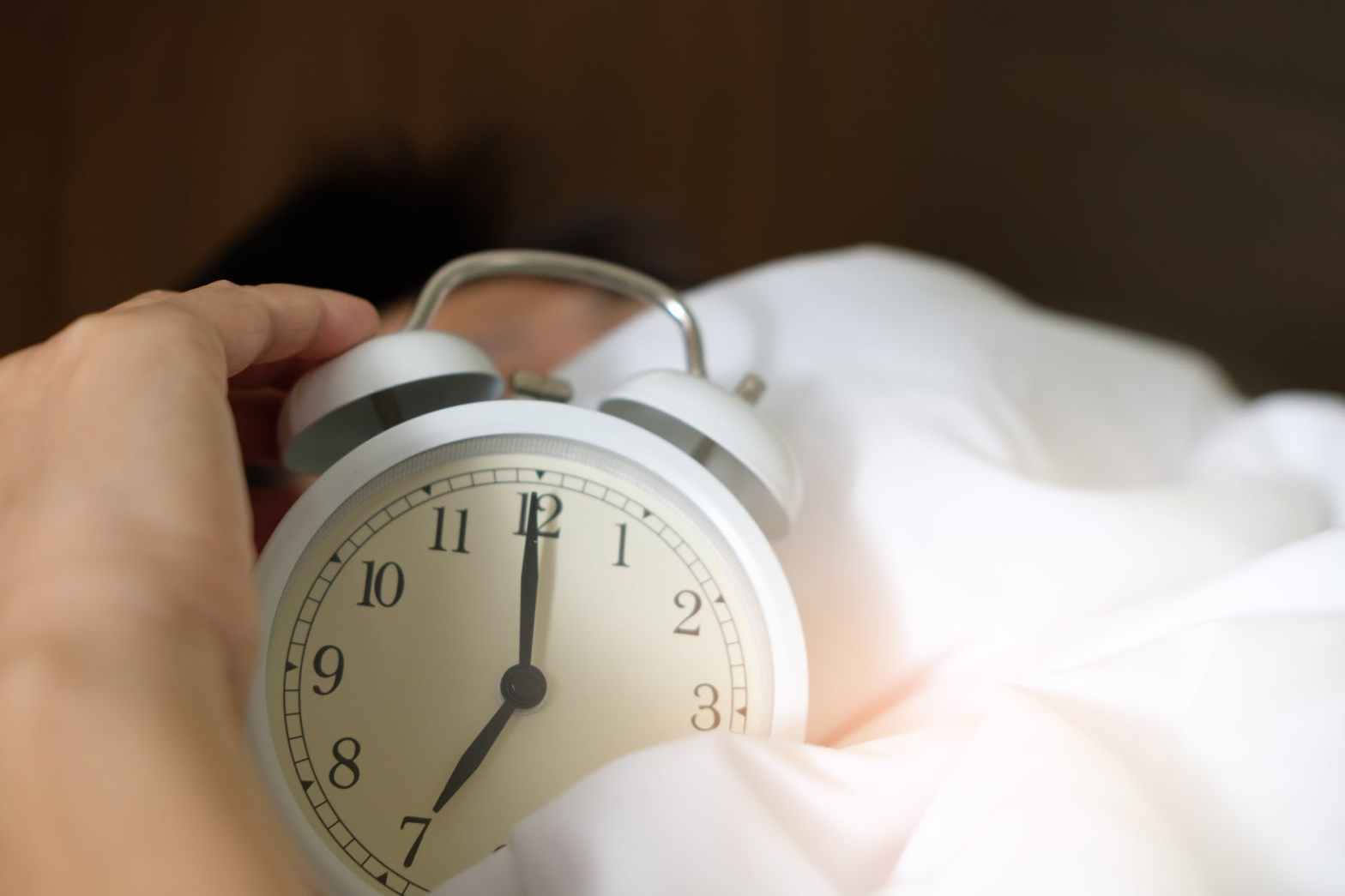
I have witnessed firsthand the transformative power of quality sleep on the lives of my patients and my own life. Sleep is not merely a luxury; it’s a fundamental pillar of health and well-being. For young professionals, the demands of a fast-paced career can sometimes lead to neglecting this vital aspect of self-care. And I get it, sometimes work and social demands don’t allow us to prioritize sleep. Unfortunately, if left unchecked it will lead to some undesirable consequences. I will delve into practical strategies and a holistic approach to improving sleep quality and quantity, so that young professionals can maximize their potential both personally and professionally.

Why does this Matter?
Before we get into the tools for improving your night sleep, let us discuss briefly why sleep is important. Most of us understand that sleep is a time for restoration. Sleep is a time when our bodies repair tissues, remove and eliminate waste products, restore and replenish the immune system. Most of us are also familiar with sleeps role on our mood. After one poor night of sleep, we wake up irritable, unmotivated, and tired. Now, if this goes on chronically it can lead to anxiety, depression, memory lapses, difficulty concentrating, and impaired decision-making. If you are frequently pulling all nighters then what’s the point if your overall productivity is in the toilet?
Things that you may not have been aware of about restful sleep. Sleep regulates hunger hormones making it easier to maintain a healthy weight. Also, if you are chronically sleep deprived your ability to make healthy lifestyle choices (i.e. eating healthy foods, avoiding junk food and alcohol, exercising regularly etc.) is inhibited and additionally your metabolism slows. This promotes weight gain or makes it difficult to lose weight. Lastly, sleep deprivation is a risk factor for chronic diseases including mental illness, cardiovascular disease, and metabolic syndrome.
Tools to Improve Sleep:
Let’s explore practical ways busy professionals can improve their sleep quality. Some of these are an absolute must for me, while others are additional tools:
The Absolutes:
Nutrition: Restful sleep starts with nutrition. Focus on whole foods ( healthy fats, lots of vegetables; both starchy and non-starchy vegetables, and protein) and avoid junk and processed food, sugar, and alcohol. Alcohol is a real killer of healthy sleep. I hear patient’s frequently tell me how “relaxing” their nightly wine is, however, even 1 glass of alcohol is going to disrupt your sleep. It may help you fall sleep because it’s a depressive, but it’s going to keep you from reaching restful sleep. No caffeine after 2pm. Everyone has a different sensitivity and metabolism of caffeine, but if you are having difficulty falling asleep, avoid it. No matter your tolerance caffeine is still a stimulant.

Create a Relaxing Bedtime Routine: This should start at least 1 hour before you want to go to sleep. Engage in calming activities before bedtime (that avoids electronics if possible) such as reading, meditation, gentle stretching or yoga, and/or a warm bath, to signal to your body that it’s time to wind down.
Establish a Consistent Sleep Schedule: Go to bed and wake up at the same time every day, even on weekends and account for at least 8 hours of sleep. This helps regulate your body’s internal clock. I personally find this one really hard and I think most busy professionals do too. Sometimes, I have early engagements, so I plan my night before to get 8 hours of sleep. If I do end up having late nights I allow myself to sleep for at least 7 hours. Sometimes I wake up earlier than intended, but at least I allowed myself the full time to rest.
Make the perfect Environment: Make sure your bedroom is cool, dark, quiet, comfy and cell phone-free. Invest in a good mattress and pillows. Do you live in a big city with with brights lights outside your window? Buy an eye mask or black-out curtains. You live above or below noisy neighbors? Wear ear plugs. Make the room around 62 degrees F. Leave your phone outside the bedroom. The light and content from your phone are stimulating and notifications in the middle of the night are disruptive. Buy a Hatch Alarm Clock and ditch your phone in the living room.
No Late Night Snacking: Eat dinner at least 2-3 hours before your planned bed time. Make sure it is full of protein and fat to eliminate the chances of getting hungry before bed. I find if I brush my teeth soon after dinner it deters me from eating after dinner.

Optional Additives To Improving Your Sleep:
Supplements:
- Melatonin– Take 3-5mg 1-2 hours before bed. Melatonin is non-habit forming and does not decrease your own production of melatonin.
- Magnesium Glycinate take 400-600mg 1-2 hours before bed to promote relaxation. Avoid prescription sleep medications! They are habit forming and though they promote sleep, they do not provide restful sleep.
Brown, White or Pink Noise: You can find 10-12 hours of continuous audio on Spotify and YouTube. I really like my Hatch Alarm Clock that provides brown, white or pink noise. You can also buy a white noise maker. This noise has been shown to induce feelings of calm and reduce brain chatter. I especially like while traveling to cover up any unfamiliar noises.
Exercise: Strenuous exercise especially first thing in the morning promotes restful sleep in the evening. I’m not a huge fan of exercise at night because it actually acts as a stimulant and it may take a while to come down and therefore make it difficult to fall asleep. Now, if waking up early to exercise means you are getting less hours of sleep, then prioritize sleep. In the long run the extra zzz will be more health promoting than the hour of exercise. Next time, go to bed 1 hour earlier so that you can get your 8 hours of sleep and wake up to exercise.


Sunlight: Upon wakening, first thing you should do is step outside or in a big window and get at least 10-15 minutes of direct sunlight on your face and body. This will promote a better circadian rhythm and more production of melatonin at night.
Herbs: Certain herbs can be helpful for promoting calm and relaxation before bed. I like lavender, chamomile and valerian root. There are many different blends of sleepy time teas on the market. Make sure they are organic and buy loose leaf to be environmentally friendly.
Sleep Meditation: I find meditation at or around bedtime to work wonders for patients especially if they are dealing with a “busy brain” at bed time. Are you stressed? Use meditation to slow down your thoughts and if it’s really important, write it down for the morning and forget about it.
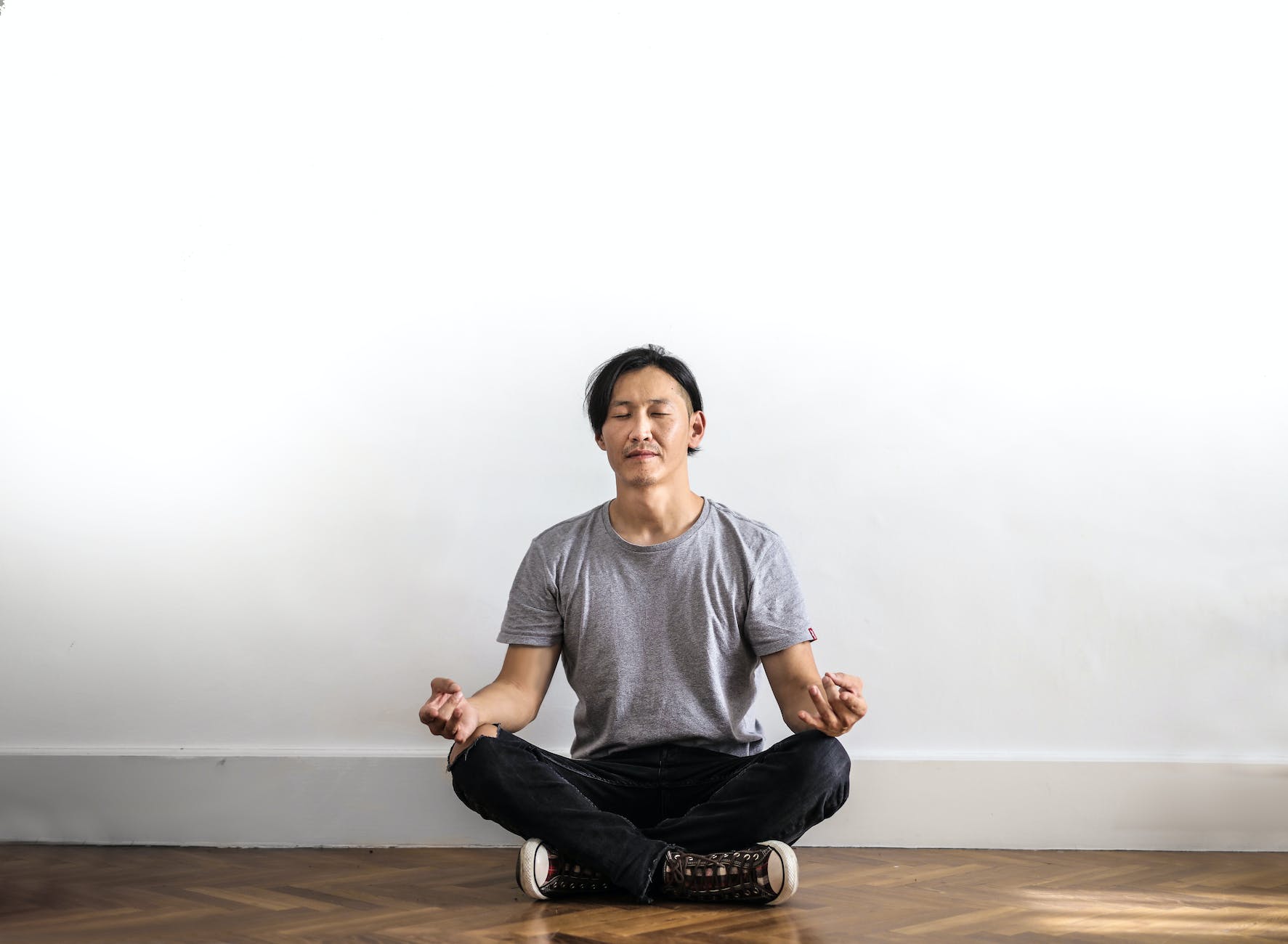
As a functional medicine provider, I emphasize the importance of prioritizing sleep as a cornerstone of overall health and wellness. Young professionals, in particular, should recognize that sleep is an investment in their personal health and an absolute must for their professional success. By adopting a holistic approach to improving sleep quality, individuals can unlock their full potential, experience better health, and thrive in their careers.
 Debunk The Func