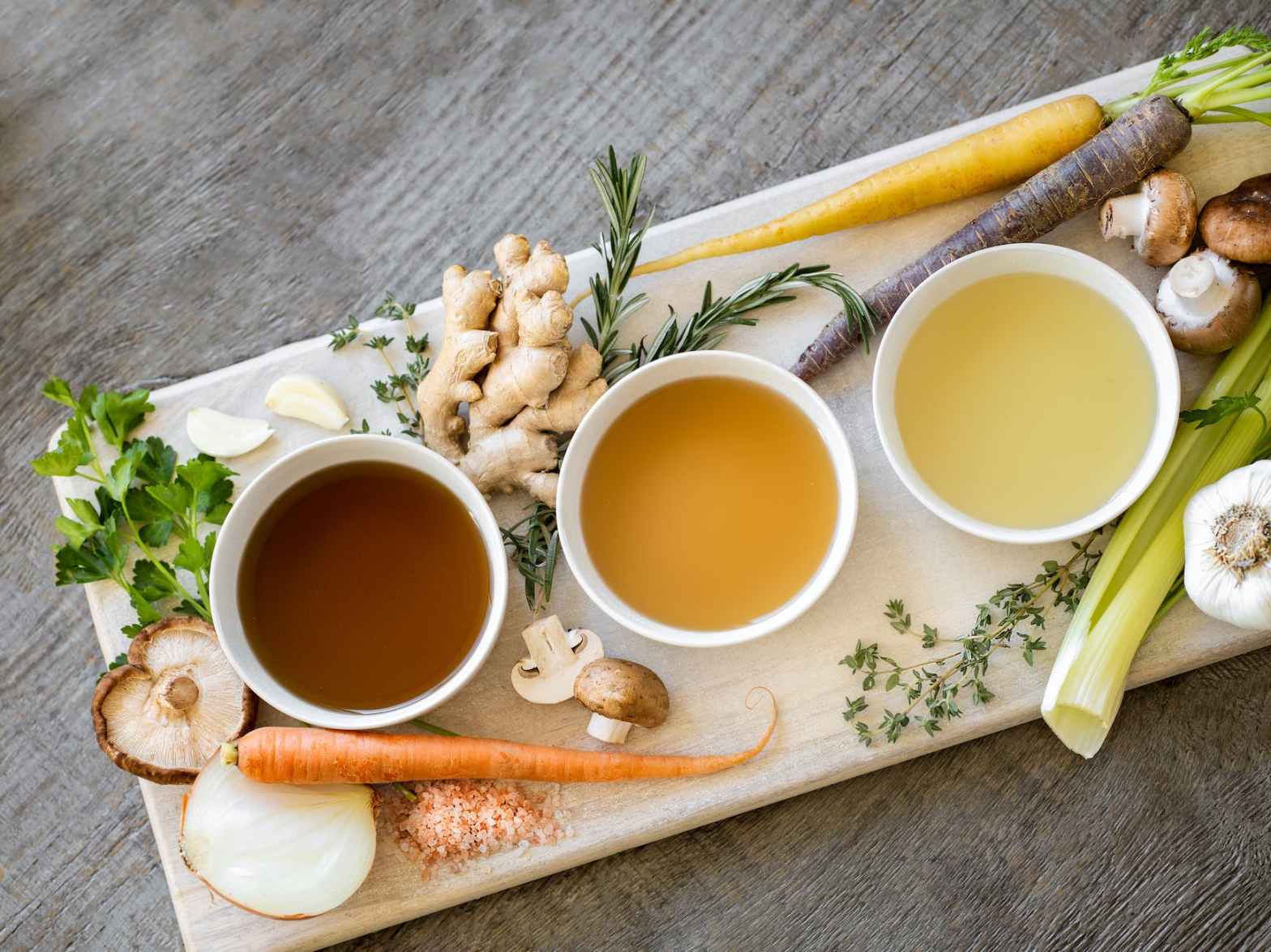
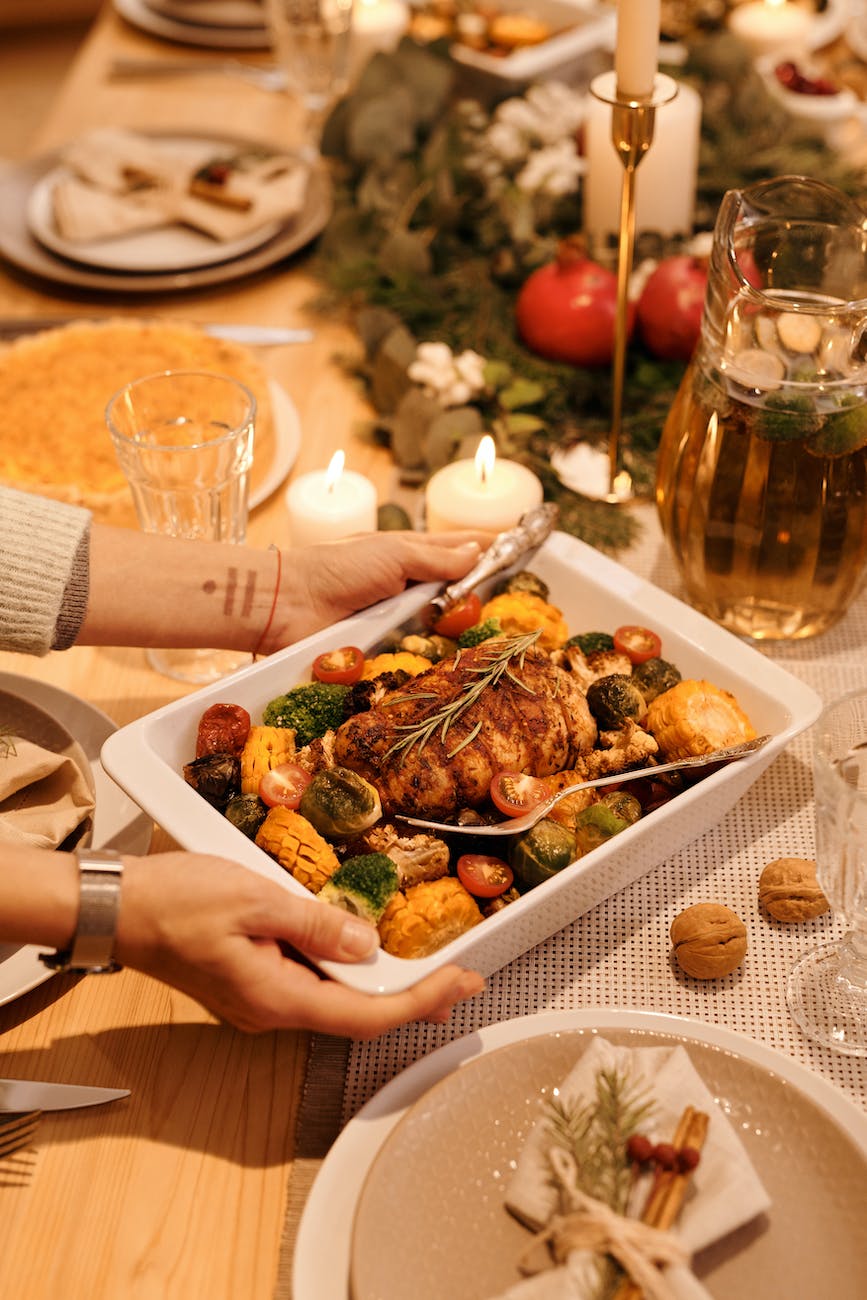
Amidst the festive season, after spending hours in the kitchen cooking and preparing, indulging in sumptuous meals; the leftover bones from roasted meats, whether it’s turkey, chicken, beef, or fish hold significant potential for creating a nourishing and health-boosting elixir: bone broth.
With gatherings and celebratory feasts often leaving behind a surplus of bones, instead of discarding these nutrient-rich remnants, repurposing them into a homemade bone broth is a wonderful practice deeply rooted in culinary tradition. Harnessing the goodness locked within these bones not only elevates their use but also unlocks a myriad of health benefits.
Let’s delve into the transformative process of converting these once discarded leftovers into a revitalizing, super potion. This simple yet profound culinary journey not only rescues the remnants of holiday meals but also offers an opportunity to extract essential vitamins, minerals, and collagen, ultimately contributing to enhanced health and well-being.
Bone broth is more than just the base for a basic soup. Bone broth is the perfect example that food is medicine. Rich in essential vitamins, minerals, and collagen, it has been cherished for centuries across various cultures for its ability to promote overall well-being.
Benefits:
Rich Source of Minerals: Bone broth consists of the essential minerals that make up our bones like calcium, magnesium, phosphorus, and potassium. When animal bones are slowly cooked over long periods of time those minerals leach out of the bones and into the broth, which makes a once not very accessible source of these mineral; now accessible for absorption in our gut. These minerals play a crucial role in maintaining bone health, electrolyte balance, and nerve function.
Amino Acids and Collagen: Collagen is the most abundant protein in the body. Collagen is essential for bone, cartilage, hair, nails, skin, ligaments and tendons, and is a structural protein found abundantly in bone broth. Collagen contains amino acids like proline, glycine, and glutamine. These amino acids aid in tissue repair, promote healthy skin, hair, nails, bones, tendons and ligaments.
Glutamine is especially important to gut health. Glutamine is the fuel that the enterocytes of the gut use to function (the cells that line the gut and act as gate keepers), which makes it an important part of healing a leaky gut, reducing inflammation and supporting digestion.
The collagen and gelatin in bone broth also provide the building blocks for joint cartilage and may alleviate joint pain and inflammation, supporting overall joint health. This should totally make sense, right?! When you slowly cook the leftovers of an animals cartilage, ligaments and tendons it allows us to absorb and USE those necessary nutrients for healthy, happy joints.
Recipe:
Creating your own bone broth at home is very simple. You can find good sources of store bought bone broth, but they tend to have preservatives and weird additives and the point is to use those unused parts of the animal. Here is a backbone recipe for the bone broth:
Ingredients:
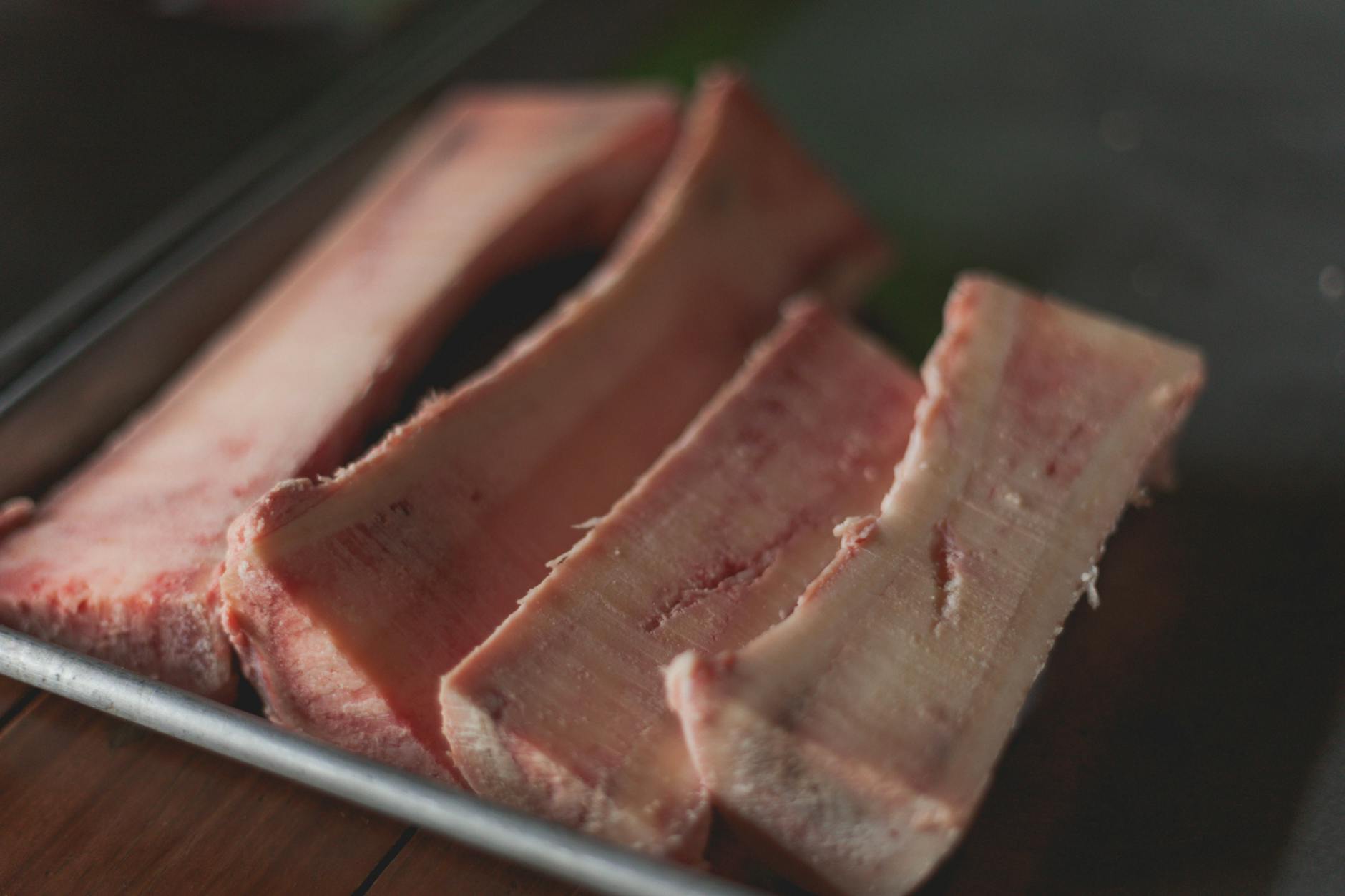
- 3-4 pounds of beef, chicken, and/or fish bones (ideally grass-fed or organic). I like to use ox tails, knuckles, ribs etc as well.
- 2-4 tablespoons of apple cider vinegar
- 6-12 cups of water
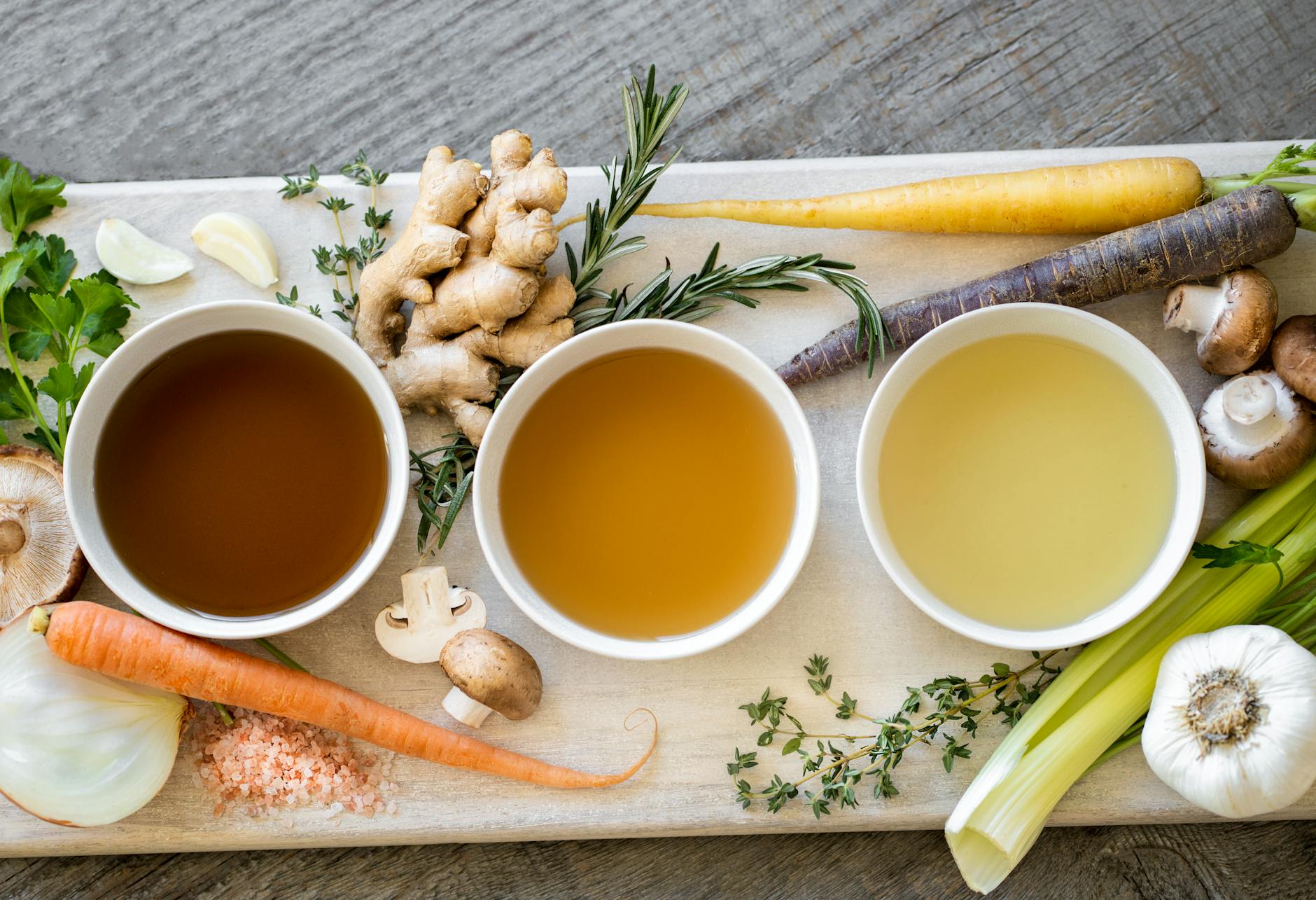
- Optional: vegetables like onions, carrots, celery, and herbs for added flavor (I like thyme, rosemary, bay leaves, sage, garlic, ginger, turmeric, salt, and black pepper, but use whatever you have)
Instructions:
- Preheat your oven to 400°F (200°C). Place the bones (and veggies) on a baking sheet and roast them for about 30-45 minutes until they turn golden brown. This step enhances the flavor of the broth.
- Transfer the roasted bones to a large stockpot or slow cooker. Add the apple cider vinegar and cover the bones with water (enough to submerge them completely)
- Bring the water to a boil, then reduce the heat to low and simmer the broth for 12-24 hours. The longer you simmer, the richer and more nutrient-dense the broth becomes.
- Once done, remove the pot from heat and let it cool. Strain the broth through a fine-mesh strainer or cheesecloth to remove any bone fragments or impurities.
- Store the broth in airtight containers in the refrigerator for up to a week or freeze it for longer storage.
Next time you prepare a grand feast, don’t let those bones go to waste and instead make a highly nutritional broth instead. Remember this applies all year ago too. Take your bones home eating out, collects bones and scraps for regular meals and freeze until you have enough for a new batch. Enjoy!
 Debunk The Func