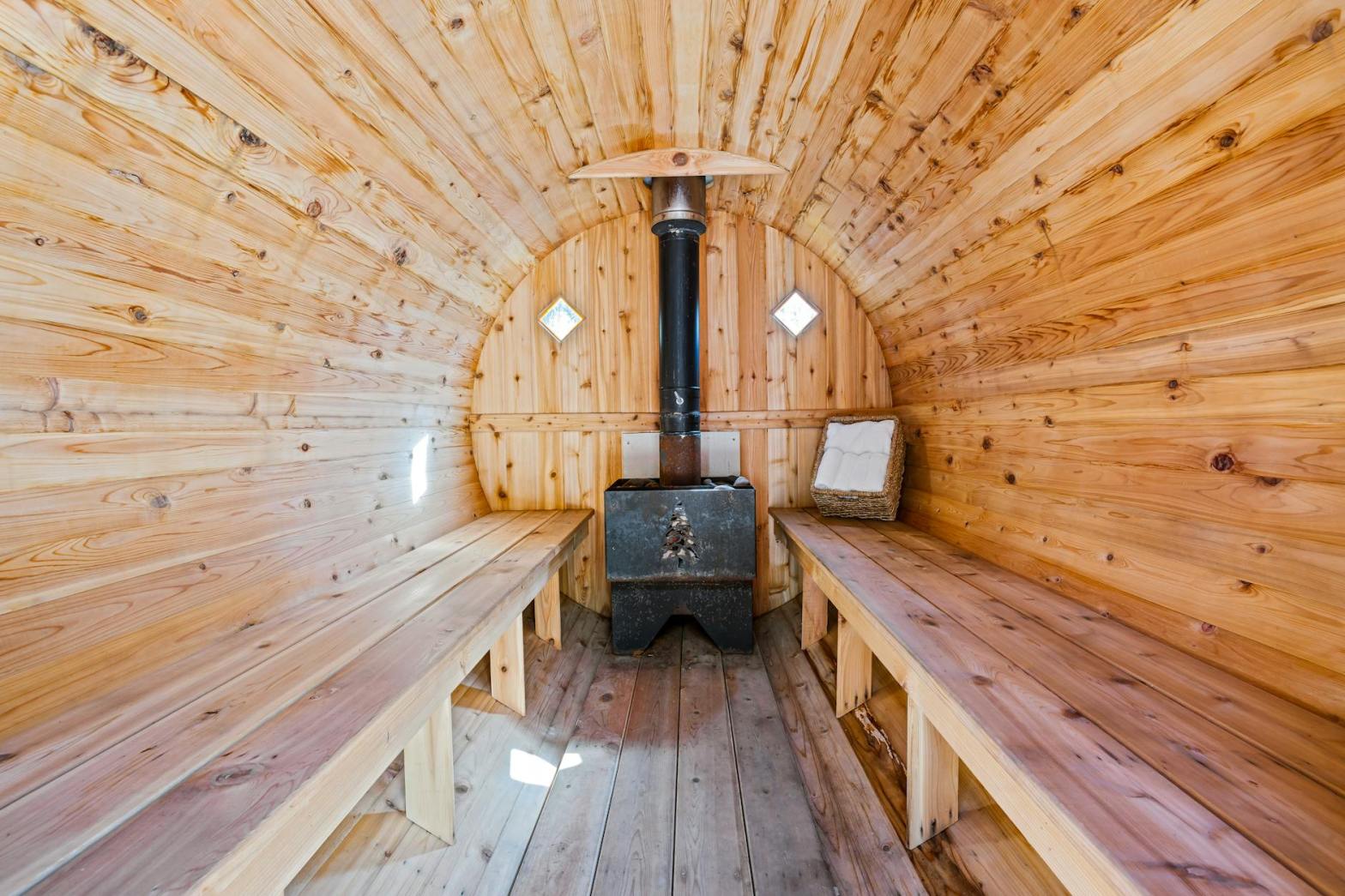

In the pursuit of holistic wellness, the benefits of dry heat saunas have garnered significant attention. These heat chambers offer more than just relaxation and a nice warm hug in the winter season; they have been linked to a multitude of health advantages, spanning detoxification, cardiovascular enhancement, mental health benefits, pain relief, and athletic performance improvement. Take it a step farther and understanding the differences between infrared and traditional saunas, knowing how to utilize a sauna effectively, and exploring various home sauna options can give you a leg up on own exploration of the sauna craze.
Benefits of Dry Heat Saunas
Detoxification: Sweating profusely in a sauna aids in the elimination of toxins from the body, including heavy metals and environmental pollutants. The deep sweat induced by the sauna helps cleanse the skin and expel impurities, promoting clearer skin and overall detoxification.
Mental Well-being: Saunas are known to alleviate symptoms of depression and anxiety. The heat triggers the release of endorphins, the body’s natural mood elevators, promoting relaxation and reducing stress.
Cognitive Health: Studies suggest that frequent sauna bathing might lower the risk of dementia and Alzheimer’s disease. The improved blood flow to the brain and reduced inflammation may play a role in preserving cognitive function.
Cardiovascular Health: Regular sauna use has shown promising effects on cardiovascular health. It enhances blood circulation, dilates blood vessels, lowers blood pressure, and improves overall heart function. These effects may contribute to a reduced risk of heart disease.
Chronic Pain Relief: Sauna sessions can provide relief from chronic pain conditions like arthritis, fibromyalgia, and muscle soreness. The heat soothes muscles, reduces inflammation, and promotes faster recovery.
Enhanced Athletic Performance: Athletes often use saunas to aid in muscle recovery. Sauna sessions post-workout may help reduce muscle soreness, improve endurance, and promote quicker recovery between training sessions.
Reduction in Oxidative Stress: Saunas help combat oxidative stress by increasing heat shock proteins, which aid in repairing damaged cells and reducing oxidative stress markers in the body.
Infrared vs. Traditional Saunas:
Traditional Saunas: These use heated rocks or elements to warm the air, creating high temperatures that induce sweating. The environment is generally dry and hot, with temperatures ranging from 160°F to 200°F.
Infrared Saunas: Infrared saunas use infrared heaters to emit radiant heat, directly warming the body without significantly heating the surrounding air. This results in a lower ambient temperature (typically 120°F to 140°F) while providing similar health benefits. People find infrared more tolerable (especially for newbies to sauna) because it doesn’t feel as hot and “suffocating” as traditional.
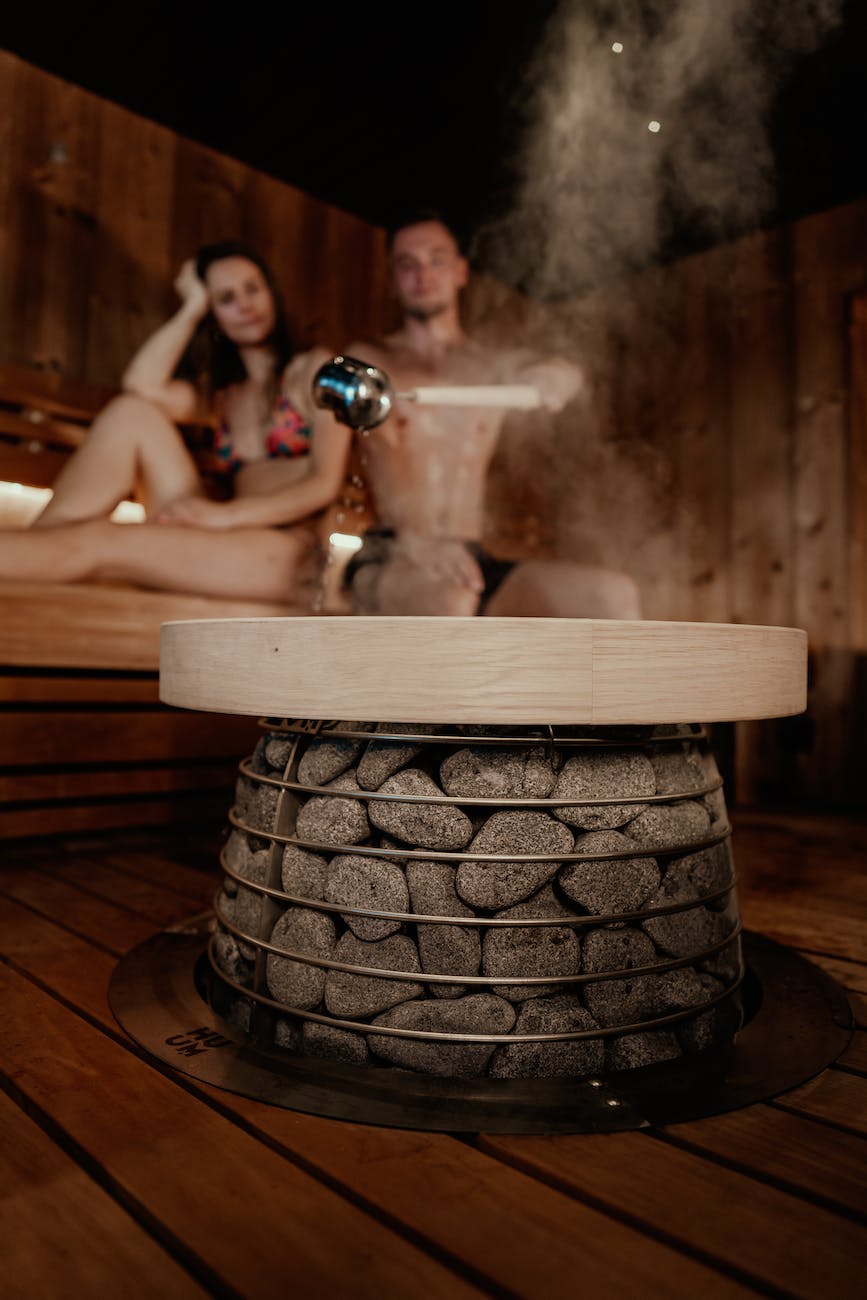
How to Use a Sauna
For Beginners: Start with shorter sessions (around 5-10 minutes) at lower temperatures (140°F or lower) to allow your body to acclimate. Hydrate well before, during, and after sauna use, and listen to your body’s signals—exit if you feel dizzy or uncomfortable. You may not sweat much when you first start using the sauna, however, your body will adapt and before long the sweat will start pouring.
Ramp-Up Time: Gradually increase the duration of sessions as your tolerance builds, aiming for 30 minutes per session. Remember to cool down afterward and hydrate adequately. Start with using a sauna 2-3 times a week. Slowly increase frequency to daily use.
Timing: Sauna use can be beneficial at any time of day, but many people prefer mornings or evenings to reap the relaxation benefits before bedtime or to kickstart their day with an energy boost.
Hydration: Remember to replace the water AND SALT lost through sweating. Hydrate well before, during, and after sauna use and replace salt with electrolyte replacement (I like the LMNT brand) or plain pink Himalayan salt in water works great too.
Options for Home Saunas

Sauna Blankets: Portable and affordable, these blankets emit infrared heat and envelop the body, mimicking sauna effects. They’re convenient for home use but may offer a different experience compared to traditional saunas.
Indoor Saunas: Various sizes and designs are available, from compact infrared units to larger traditional sauna rooms. These can be installed in bathrooms, basements, or designated spaces within the home. You can find traditional and infrared options.
Outdoor Saunas: These can be standalone units or built as extensions to homes. They offer a unique experience and can be an excellent addition to a backyard or garden space. Infrared options might be limited especially if you live in cold places.
Dry heat saunas provide a plethora of health benefits, ranging from detoxification and cardiovascular improvements to mental well-being and pain relief. Understanding the differences between infrared and traditional saunas, practicing safe usage, and exploring home sauna options can empower individuals to harness the therapeutic potential of sauna bathing for enhanced overall health and well-being. Always consult with a healthcare professional before starting any new wellness regimen, especially if you have pre-existing health conditions.
 Debunk The Func
Having a sauna has been such an amazing tool to detox, relax and rejuvenate my body.
LikeLike